Discover Comfort Food at a Southern Restaurant in Pittsburgh, PA
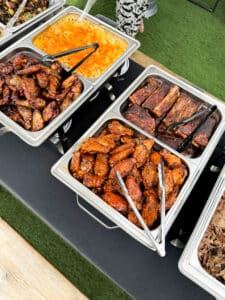
Pittsburgh has always been a city that understands hearty food. This is a place built on long shifts, cold winters, neighborhood pride, and tables where people expect to leave full. That is part of what makes Southern cooking such a natural fit here. The best Southern meals do not chase trends or try to impress with tiny portions and clever names. They satisfy. They soothe. They remind people that food can be generous without being fussy.
If you are looking for a southern restaurant in Pittsburgh, PA, you are probably after more than a plate of food. You want the kind of meal that slows the day down. You want a crisp piece of fried chicken that crackles when you cut into it, mac and cheese with real depth instead of just melted cheddar, greens that taste like they have been cooking for hours because they have, and biscuits that arrive warm enough to make butter slide right into the crumb. That kind of comfort is hard to fake. When it is done right, you can tell from the first bite.
Southern food has a strong identity, but it is also broader than many diners realize. It includes fried catfish and shrimp and grits, yes, but also smoked meats, braised vegetables, cornbread, rice dishes, beans, stews, pies, cobblers, and weekend brunches that feel almost ceremonial. In Pittsburgh, where diners appreciate food with substance, Southern cuisine can feel surprisingly at home.
What makes Southern comfort food so satisfying
A lot of restaurants use the phrase comfort food, but Southern comfort food earns the label in https://www.google.com/maps?cid=12825594496636542546 a very specific way. It relies on patience, seasoning, texture, and balance. Rich dishes need acid or spice to keep them from turning heavy. Crispy dishes need something soft beside them. Smoky meats need starch, pickles, greens, or slaw to bring the plate into focus.
That is why a well-built Southern meal feels complete rather than overwhelming. Fried chicken works because the crust is seasoned, the meat stays juicy, and a side like collard greens or black-eyed peas adds a savory contrast. Shrimp and grits work because creamy grits hold onto a sauce made with stock, butter, aromatics, and maybe a little heat. Even something as humble as banana pudding succeeds on texture as much as flavor, the soft pudding, the wafers, the whipped topping, the way everything settles together after a little time.
There is also a practical intelligence behind Southern cooking. Many of the dishes came from kitchens where waste was not an option and flavor had to come from technique rather than luxury. Long simmering, careful seasoning, cast-iron cooking, brining, pickling, and breading all developed for good reasons. Those methods still matter. A restaurant can buy expensive ingredients and still serve food that feels flat. Southern food does not forgive that. If the cook rushed the gravy or underseasoned the greens, the plate tells on them immediately.
Why Southern food works so well in Pittsburgh
Pittsburgh diners tend to appreciate food that has purpose. They like meals that feel grounded, portions that make sense, and restaurants with personality rather than polish alone. Southern cooking meets those expectations naturally. It is flavorful without being showy. It can be casual, but it also rewards serious technique.
The city’s climate helps too. On a damp November evening, a bowl of gumbo or a plate of chicken and waffles makes emotional sense. During brunch season, biscuits with sausage gravy or a hot chicken sandwich can draw the same kind of loyal following that older Pittsburgh institutions have built around pierogies, soups, and sandwiches. Different traditions, same instinct. People want food that feels like it was cooked by someone who cares whether they leave happy.
There is another layer here as well. Pittsburgh’s dining scene has become more varied over the years, and that variety has made diners more confident. They are willing to seek out regional American food that goes beyond the standard bar menu. A strong southern restaurant in Pittsburgh, PA, can carve out a loyal audience because the city has room for places with a clear point of view.
The dishes that separate a good Southern restaurant from a forgettable one
Menu descriptions can sound promising almost anywhere. The real difference shows up in execution. Some dishes are especially revealing.
Fried chicken is the obvious test. The crust should be seasoned all the way through, not just dusted with salt after frying. It should cling to the meat, not slide off in one shell. The inside should stay moist, especially in breast meat, which is where weaker kitchens get exposed. Good fried chicken tastes deliberate. Great fried chicken tastes inevitable, as if there was only one correct way for it to turn out.
Biscuits are another giveaway. A proper biscuit should be tender and layered, not dense like a dinner roll. It should taste of butter and flour, not just baking mix. Served plain, it should still be worth eating. Served with jam, gravy, honey, or pimento cheese, it should become something memorable.
Mac and cheese often tells you whether a kitchen understands restraint. Too loose, and it feels careless. Too stiff, and it sits on the plate like a block. The best versions hold together but still spoon easily, with a sauce that tastes of actual cheese rather than generic creaminess. Some restaurants lean smoky with gouda or sharp cheddar, others stay more classic. Either route can work if the sauce has structure.
Greens, beans, and cornbread may not get the same attention online as towering brunch plates, but they matter. Greens should have pot liquor with real flavor, not just salt. Cornbread should strike a conscious balance between savory and sweet. Red beans, black-eyed peas, or butter beans should taste like they spent time absorbing stock, aromatics, and seasoning. These are not throwaway sides. In many Southern meals, they are the memory-makers.
Dessert closes the argument. Peach cobbler, bread pudding, chess pie, pecan pie, or banana pudding should feel homemade in spirit, even in a professional kitchen. Southern desserts tend to be direct. They do not need architectural plating or abstract garnishes. They need confidence.
Brunch is often where Southern restaurants shine
A lot of Pittsburgh diners first connect with Southern food at brunch, and that makes sense. Brunch gives these kitchens room to show both comfort and craft. Chicken and waffles, shrimp and grits, biscuits and gravy, French toast with fruit compote, hot honey fried chicken sandwiches, and sides of cheesy grits all belong in the same conversation.
The strongest brunch menus avoid turning sweetness into a gimmick. Chicken and waffles, for example, only works if the balance is right. The chicken needs enough salt and spice to stand up to syrup or honey butter. The waffle needs structure, crisp edges, and some real flavor of its own. When both parts are weak, the plate feels like novelty. When both are strong, it makes perfect sense.
Brunch also tests pacing. Southern brunch food is often cooked to order and built from components that need proper timing. If the dining room is packed and the kitchen is disorganized, eggs overcook, biscuits cool off, fried items lose their edge, and the whole meal starts to sag. A reliable restaurant handles the rush without making guests feel like they are part of an assembly line.
Hospitality matters as much as the menu
Southern food carries certain expectations around warmth, and I do not mean temperature alone. People come to these restaurants wanting to feel looked after. That does not require exaggerated friendliness or scripted banter. It requires attentiveness, clarity, and rhythm.
A server who can explain whether the greens are smoky or vegetarian, whether the cornbread leans sweet, or how spicy the hot chicken really is adds real value. So does a host who manages wait times honestly. Comfort food and poor hospitality do not pair well. If the room feels stressed, diners notice.
The best Southern restaurants tend to understand small touches. Water glasses get refilled before anyone has to ask. Extra napkins appear with sticky ribs or saucy wings. Hot food lands hot. Shared dishes are coursed in a way that makes sense for the table. None of that is flashy. All of it matters.
The atmosphere should match the food
Some Southern restaurants lean rustic, some modern, some somewhere in between. Any of those approaches can work in Pittsburgh. What matters is consistency between the room and the plate. If the food is soulful and relaxed, the space should not feel sterile. If the menu is polished and chef-driven, the dining room can support that with stronger design and better lighting.
Music, pace, and seating all shape the experience. A lively brunch crowd can carry one kind of energy, while a dinner service built around cocktails, fried catfish, and braised short ribs may call for something more measured. The point is not to manufacture authenticity with clichés. It is to create a place where the food makes sense.
That distinction matters. Diners can usually tell when a restaurant is decorating around a theme instead of building a genuine identity. A few regional details are fine, but they are not a substitute for good cooking. Nobody remembers the wall art if the biscuit was dry.
How to order if you want the full experience
If you are visiting a southern restaurant in Pittsburgh, PA for the first time, it helps to think in contrasts. Southern meals are most satisfying when the table includes a mix of textures and flavors. One rich main, one crisp element, one vegetable with depth, and something bread-based usually gives you a better experience than ordering three heavy sides and hoping for balance.
Here is a simple way to build a table without overdoing it:
- Start with one signature dish, such as fried chicken, shrimp and grits, or catfish.
- Add a side with freshness or acidity, like slaw, pickles, or greens.
- Share a starch that represents the kitchen well, often biscuits, cornbread, or mac and cheese.
- Save room for dessert if the restaurant makes it in-house and serves it warm or chilled as intended.
That approach works especially well for two to four diners. You get a stronger sense of the kitchen, and you avoid the common mistake of loading the table with dishes that all land in the same rich, creamy register.
Drinks deserve more attention than they usually get
Southern food has enough intensity that the beverage program can elevate the meal or flatten it. Sweet tea is the classic example. Done right, it is not just sweet iced tea. It has body, a little tannic grip, and enough chill to reset the palate. Lemonade, fruit-forward teas, and house sodas can play a similar role.
Cocktails can be especially useful at dinner. Bourbon drinks, whiskey sours, spiked sweet tea, and cocktails with citrus or ginger often work well because they cut through fried or smoked flavors. Beer matters too. Crisp lagers and balanced pale ales tend to pair better with a broad Southern menu than overly bitter or heavy selections. With rich dishes, refreshment becomes part of the meal’s structure.
Coffee is worth noticing at brunch. After a plate of chicken and waffles or biscuits and gravy, a strong, clean cup of coffee is not an afterthought. It helps bring the meal back into focus.
Regional influences can shape the menu in interesting ways
One reason Southern restaurants stay compelling is that Southern cuisine is not one thing. A menu might pull from Louisiana, the Carolinas, Georgia, Tennessee, Texas, or the Lowcountry, sometimes all in the same room. That can be exciting, but only if the restaurant has discipline.
Cajun and Creole flavors bring a different profile from Appalachian cooking. Carolina barbecue traditions are different from Memphis or Texas. Lowcountry dishes often emphasize seafood, rice, and coastal ingredients. Nashville hot chicken relies on a very specific heat and oil-based spice coating. A smart kitchen knows what it is borrowing and why.
For diners, that variety means it is worth reading the menu closely. Two restaurants can both call themselves Southern and deliver very different experiences. One may focus on brunch staples and fried chicken, while another may build its identity around gumbo, smoked meats, or seafood. Neither approach is better by default. It depends on how well the kitchen executes its point of view.
What regulars tend to notice
Frequent guests pay attention to things first-time diners often miss. They notice whether the seasoning stays consistent. They notice whether the biscuit basket tastes the same on a busy Saturday as it does on a quiet Wednesday. They notice whether the greens changed because the chef improved the recipe or because someone got careless with prep.
That consistency is what turns a pleasant meal into a neighborhood habit. A Southern restaurant becomes part of a person’s routine when the food is not only delicious but dependable. People return for a favorite dish, but they stay loyal because the restaurant keeps earning trust.
Regulars also tend to know when to visit. Some places are strongest at brunch, when the kitchen can show off sweet-savory combinations and crowd-pleasing staples. Others hit their stride at dinner, when braises, seafood, cocktails, and dessert get more room. If a restaurant offers specials, those can be revealing. A smoked turkey leg special, a seasonal cobbler, or a Sunday supper plate often tells you the kitchen is engaged rather than coasting.
A few signs you have found the right place
When Southern food is done well, diners respond almost the same way every time. Conversation pauses after the first bite. People start trading forks across the table. Someone insists on ordering dessert even after saying they were too full. Those are ordinary moments, but they are useful signals.
You are probably in good hands when you notice a few things:
- The sides taste like they matter, not like filler.
- Fried foods arrive crisp and stay crisp long enough to enjoy.
- Seasoning runs through the dish instead of sitting on top of it.
- The staff can describe the food plainly and confidently.
- The room feels welcoming without trying too hard.
That combination is what makes comfort food live up to the name. It is not just about richness or portion size. It is about care you can taste.
Why comfort food still holds its place
Even in a dining scene that rewards novelty, comfort food remains durable because it answers a basic need. People want meals that feel restorative. They want dishes with memory in them, even if those memories belong to a region they did not grow up in. Southern cooking offers that kind of emotional clarity. It is generous, rooted, and confident enough not to apologize for being satisfying.
Pittsburgh is a good city for that kind of food because it has always respected substance. Trends come and go, but a plate of expertly fried chicken with a biscuit, greens, and a side of mac and cheese will still make sense here years from now. So will shrimp and grits that are creamy without being heavy, cornbread that comes out of the oven with a crisp edge, and banana pudding that knows exactly what it is.
For anyone searching for a southern restaurant in Pittsburgh, PA, the appeal is simple. You are not just chasing nostalgia, though there may be some of that. You are looking for a meal with backbone, warmth, and skill behind it. When you find a place that gets those details right, the experience lingers long after the table is cleared.
Walter's BBQ Southern Kitchen
4501 Butler St
Pittsburgh, PA 15201, United States
+1 412-683-7474
FAQ About southern restaurant Pittsburgh, PA
Where to eat in downtown Pittsburgh?
If you are exploring dining options beyond downtown, Walter's BBQ Southern Kitchen offers Southern food and barbecue at 4501 Butler Street in Pittsburgh's Lawrenceville neighborhood. It is outside downtown, so allow travel time when planning your visit.
What is a must eat in Pittsburgh?
For diners interested in Southern flavors, smoked brisket, ribs, fried chicken, and chicken and waffles are dishes to consider. Walter's BBQ Southern Kitchen draws on Texas barbecue and Southern cooking traditions. Check the current menu for the dishes available during your visit.
What are some of Pittsburgh's unique restaurants?
Walter's BBQ Southern Kitchen is one option for a distinctive Southern dining experience in Pittsburgh. Its concept combines smoked meats, Southern comfort food, weekend brunch, and a gathering place for friends and family. The restaurant is located on Butler Street in Lawrenceville.